OSI’s Journey on FLOSS Weekly

This week’s FLOSS Weekly was a little unusual, as instead of a software project it featured the Open Source Initiative and introduced new President Josh Simmons. With new host Doc Searls and with Simon to provide context, it may well be an interesting show for OSI supporters.

It also addressed the issue of viral licensing. No, not the GPL – calling that “viral” has always been an ugly slur by software strip-miners. It’s actually proprietary software licensing, with its opaque terms, invasive requirements and withheld freedoms, that is better described as “viral”. You’ll need to jump in to the show to hear more.

Essence of open source

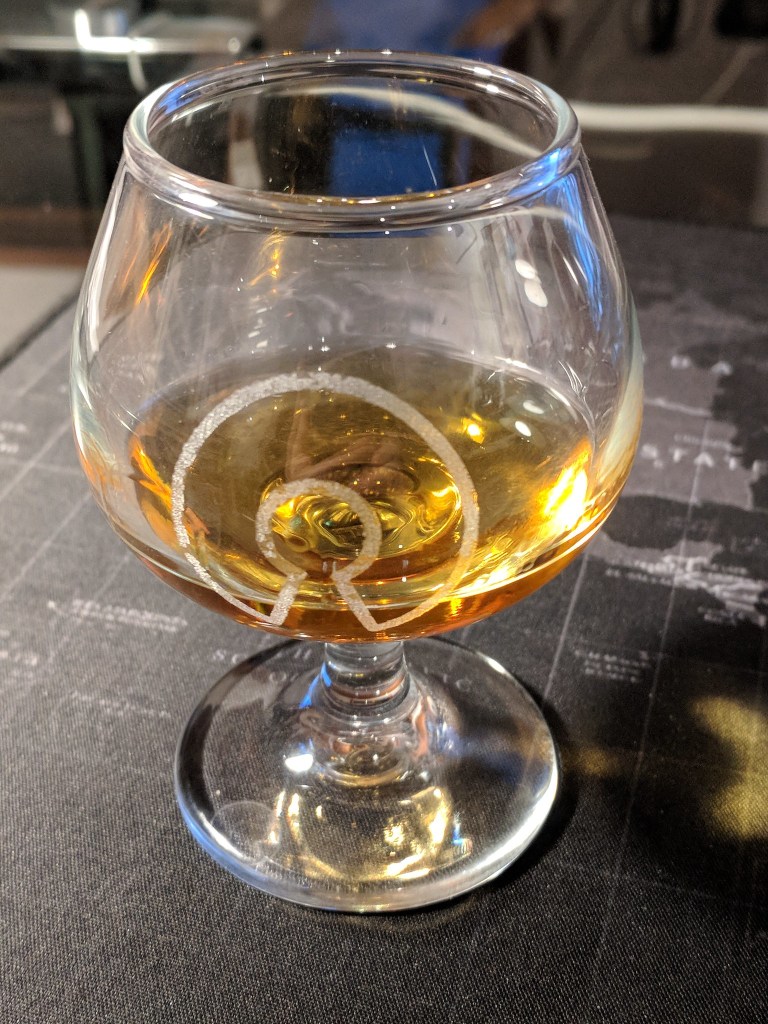
Glass with engraved OSI logo containing distilled spirits

We’ve been trying to distil a succinct phrase that captures the generally-accepted core understanding of “open source software”. The best so far is:

Open source software is software which people everywhere are able to use, improve and share in any form and for any purpose without essential ex ante or post hoc negotiation with rights holders.

Obviously the use of an OSI-approved license guarantees that. How could we make the phrase shorter, clearer or more accurate?

Update on June 25:

This phrase seems to capture a lot of what we’re after:

It’s “open” if the work product can be used, improved and shared, for any purpose, without undue obstruction or required negotiation.

This has the advantage of not attempting to redefine any of {Open Source, Open Data, Open Hardware, Open Silicon} while also conveying the key attributes each of them must have before anyone should consider them open.

More improvements invited!

Update on July 8:

Deleted “undue” as discussed as I couldn’t think of any applicable “due” obstruction. So we have:

It’s “open” if the work product can be used, improved and shared, for any purpose without obstruction or required negotiation.

That’s now worked well in several places so we may have it here!

On Microsoft’s Journey

Nearly a decade on from my original journey model, how far has Microsoft really come? Are they now aligned with their peers?

A decade ago, I wrote about the journey corporations take as they move from treating open source as a threat to embracing software freedom as a corporate philosophy within their business strategy. It wasn’t a perfect model, but it had plenty of resonance for me and many others at the time. The steps were:

Continue reading

How Do VCs View Open Source?


“People who believe that Apache is a competitor, OSI approves licenses that permit monopolization, Red Hat is a business that’s succeeded through artificial scarcity, and open source communities with diverse agendas are “broken” are not the people you want in your new open source business.”

Simon Phipps's avatarMeshed Insights Ltd

The sort of alpha personalities who invest venture capital are good at sounding plausible and authoritative. It’s not until they veer into an area where you’ve got a high degree of expertise that you realise how they really view the world. An article in TechCrunch gave a window into the world of two high-flyers; the former CEO of MongoDB and the former managing director of Intel Capital. Both could be expected to have a good understanding of open source, and both now have executive roles at a major VC, Battery Partners.

What’s visible through that window is disappointing to say the least. Riven with serious factual errors that are probably the expression of the authors’ worldview, it’s clear that these VCs don’t see open source the same way the open source community does. Read more on InfoWorld.

View original post

Roman Canaries

Still as relevant today as when I wrote it over a decade ago.

Simon Phipps's avatarThe Blog Formerly Known As SunMink

DFIR Meeting

Today I had the privilege of speaking to a large and distinguished international audience in Rome, DFIR, considering the creation of a “Bill of Rights” for the Internet as a part of the ongoing IGF process. Many presenters spoke about privacy, about access to knowledge, about the need to build on the well-established corpus of wisdom in existing statements on human rights. Listening through the morning, it became apparent that most people were taking for granted the technical basis on which the Internet was created.

Thus in my speech I decided to take the opposite approach, taking as given the obvious need to establish human rights of privacy, access, free speech and non-discrimination and look at the technical foundations. The Internet exists because of three realities – informally constituted but still consistently real. We have to remember the heritage of the net if we are to protect higher-order rights…

View original post 354 more words

FLOSS Weekly 531: Bareos

Bareos is not pronounced the same way as bareness and despite sounding like it is nothing to do with a guy called Barry. It’s a comprehensive and mature backup system forked from the Bacula project when it headed proprietary a few years back. Simon joined Randall Schwartz to interview one of its founders and find out where it was headed and just what sort of open source project it is.


Mentioned:

OSI Board Evolution

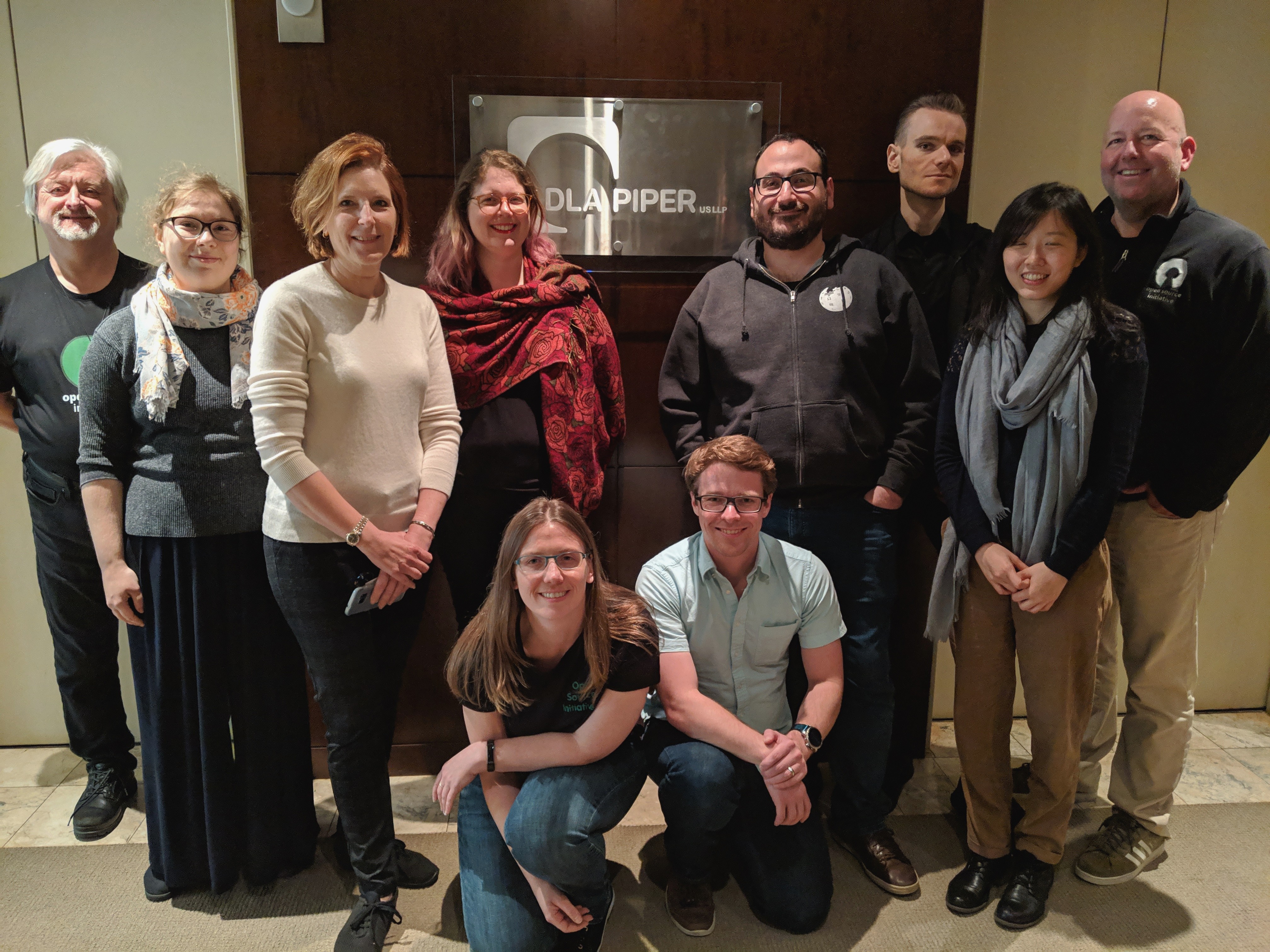
I spent last week in New York at the annual new-inductees face-to-face Board meeting of the Open Source Initiative Board (pictured below – Christine Hall is also a member but was unable to join us).  Having spent the last 11 years working on refactoring OSI for a new generation, I had advised the Board in advance that I intended to step down as President to make way for fresh blood. The Board elected Molly de Blanc as the new President and Josh Simmons as Vice President, with Hong Phuc Dang bravely volunteering to be CFO. I agreed to serve as Board Secretary until someone else feels ready to play that role – no later than next April when my term ends.
OSI Board 2019.jpg

OSI Board 2019-20.  Standing: Simon Phipps, Elana Hashman, Pamela Chestek, Molly de Blanc, Faidon Liambotis, Chris Lamb, Hong Phuc Dang, Patrick Masson. Kneeling: Carol Smith, Josh Simmons.

The OSI I’m handing over to the new Board is very different to the one I first attended in 2008 (as an observer – I wasn’t invited to join until 2010). It is now elected rather than selected (albeit via an indirect mechanism to make California regulation easier to manage). The electors are over 60 affiliate organisations representing the majority of the world’s core open source developers and an ever growing community of individual members. OSI now has a viable income arising largely from a diverse range of around 30 sponsors. It now has a staff, including a full-time General Manager (Patrick Masson, far right). It now has maintained systems for managing donations, lists and outreach. And there’s more been achieved – those are just stand-outs.

All together that means OSI has a proven foundation for the new Board to build upon. Already built on that foundation there are a postgraduate curriculum, a programme to advocate open source in the world of standards, a programme to equip schools with recycled PCs, working relationships with peer organisations like FSF and FSFE and more. There are many people responsible for all this change, too many to name here, and I thank them all.

People always look forward rather than back and there are still plenty of issues to deal with which are the new Board’s focus. We are already working to improve the license review process, for example.  But I’m really pleased with what we have all achieved over the last decade at OSI and am thrilled that there’s an energetic, more diverse and younger crew taking over.

FLOSS Weekly 527: Aquameta

Simon went to the studio (complete with an audience from Italy) to co-host FLOSS Weekly covering Aquameta, an application building platform that sits atop PostgreSQL.

Consul Democracy Foundation

The west is in a state of crisis due to the capture of the mechanisms of democracy by special interests. It’s time for change, and that change may well involve a shift from consultative or representative democracy to participatory democracy of some form. To support participatory democracy it’s essential to have enabling software that’s accessible to all citizens and transparent in its operation. I find it hard to imagine achieving that without open source.

Fortunately there is an excellent open source, free software project to support participatory democracy – the Consul Project. It provides tools for every function that a local participatory democracy initiative might need, including collaboratively devising legislation. The project is widely used around the world and is currently hosted by Madrid City Council.

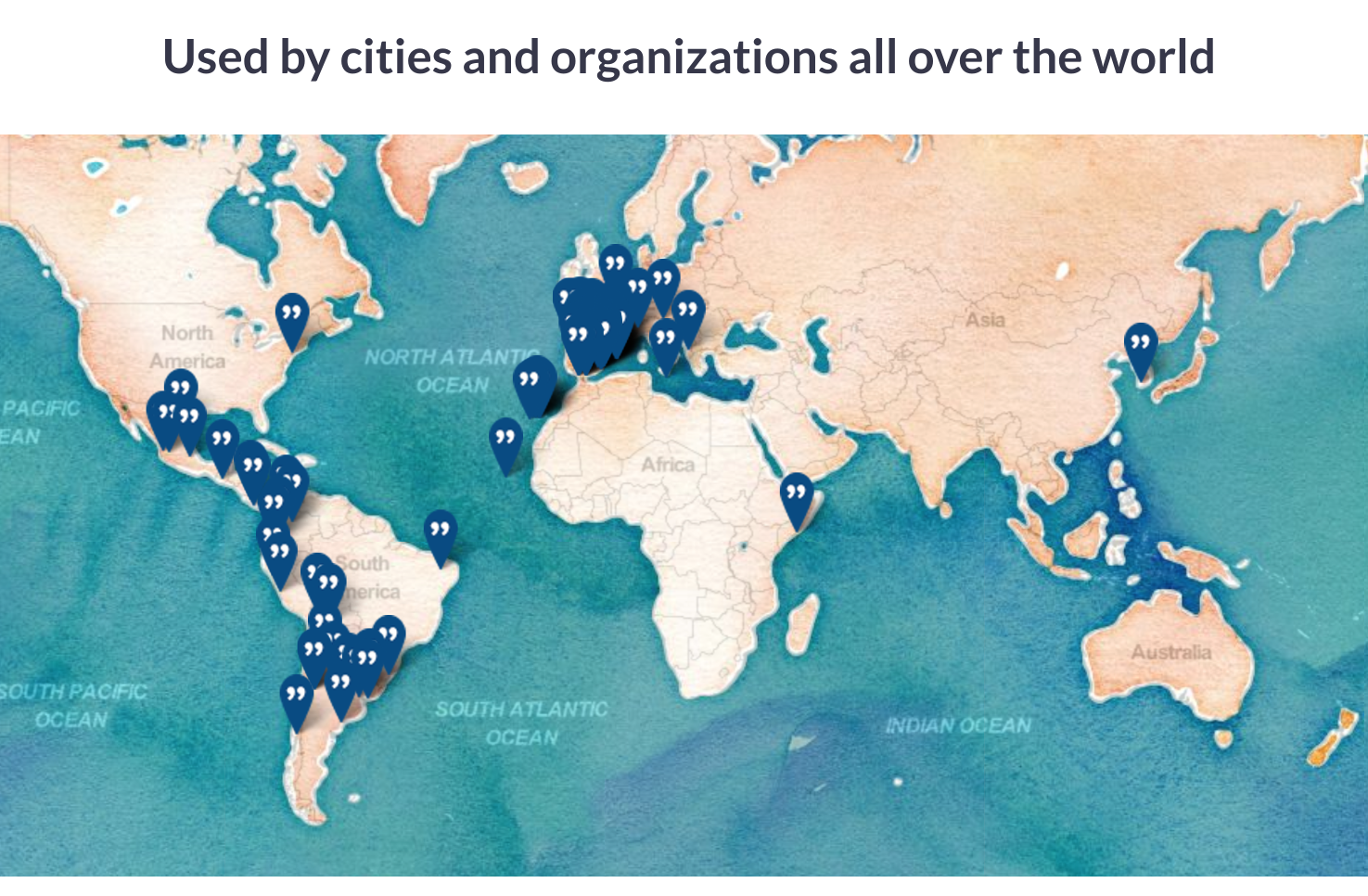
Last week in Amsterdam, a broad range of democracy and rights organisations from around the world formed the Consul Democracy Foundation to act as the new home for the Consul Project. I was honoured to participate in founding the organisation as a representative of OSI. Consul is “the most complete citizen participation tool for an open, transparent and democratic government” and is open source, free software under the AGPL.

Screenshot 2019-03-26 at 14.50.49